Rheinmetall's LUNA NG. Just Solved the Problem That Has Held Military UAVs Back for Decades
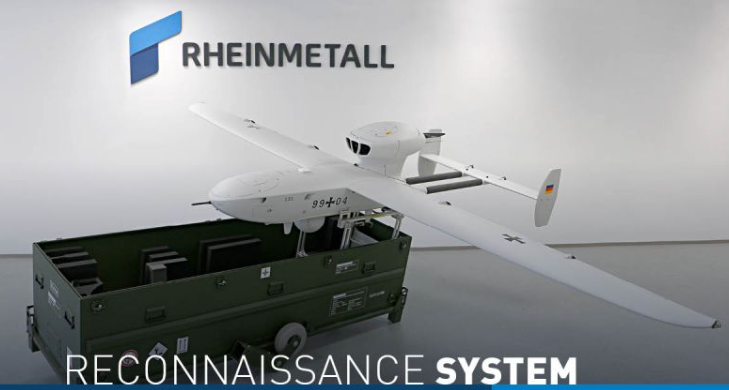
The drone industry has been obsessed with range, endurance, artificial intelligence, sensors, and autonomy.
But the real bottleneck was never technology.
It was certification.
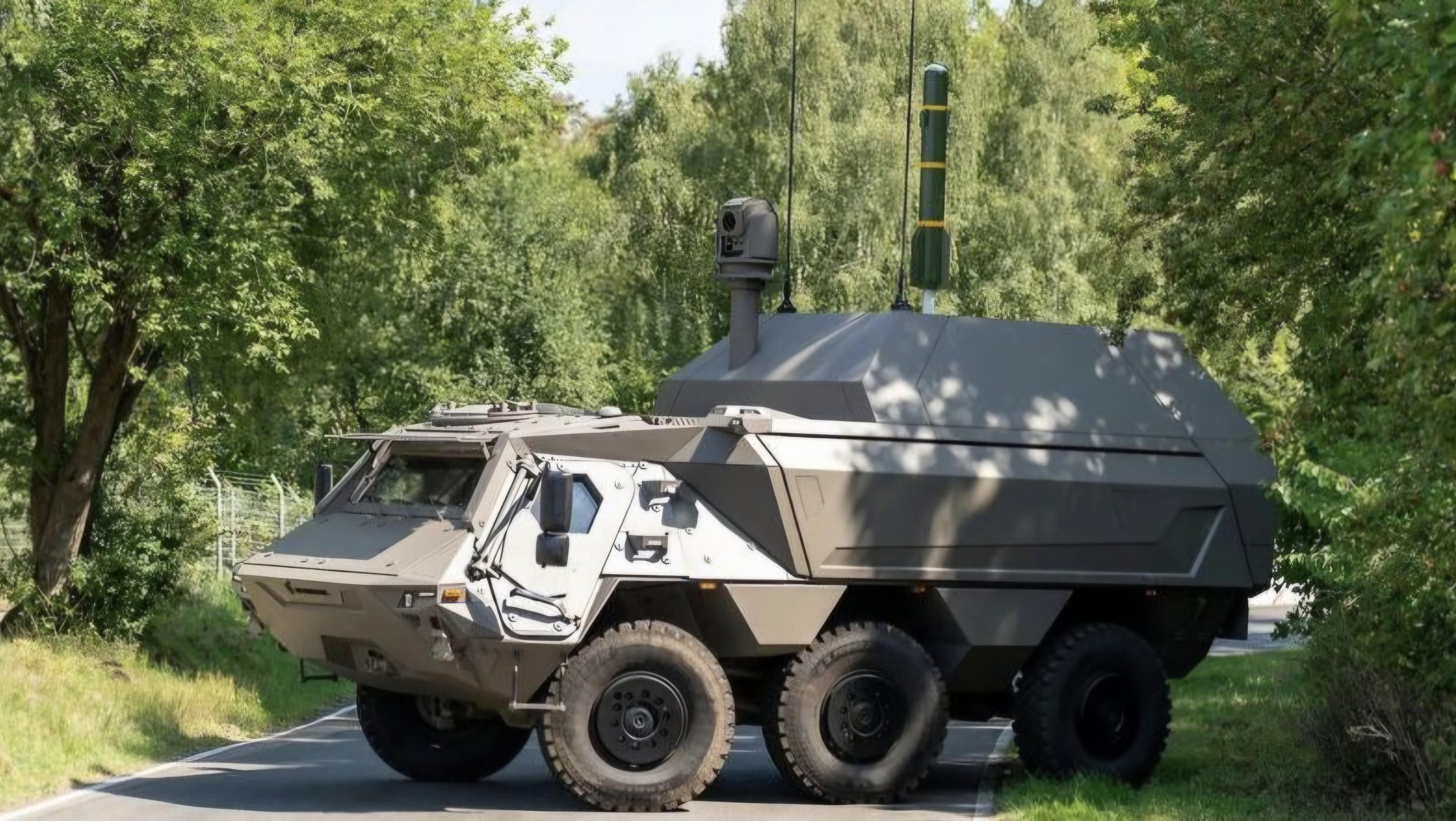
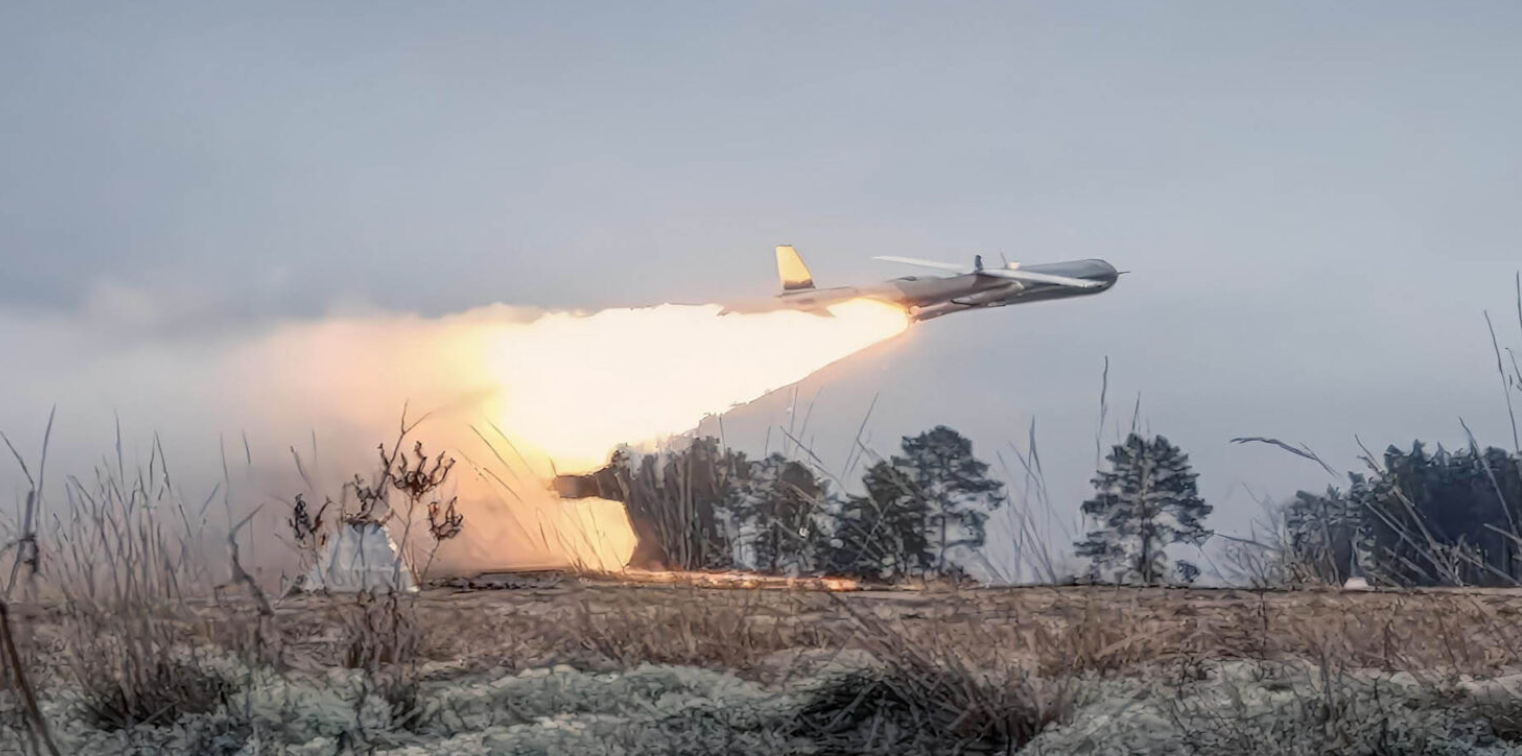
This week, Rheinmetall's LUNA NG reconnaissance drone quietly achieved something that could prove more important than many new weapons systems unveiled in recent years.
The Bundeswehr Aviation Authority granted the system provisional airworthiness certification, pushing the platform significantly closer to full type certification.
At first glance, it sounds like a bureaucratic milestone.
It isn't.
It may represent one of the most consequential developments for the future of military drone operations in Europe.
The Real Barrier Was Never Flight
Modern drones can stay airborne for hours.
They can transmit high-definition imagery in real time.
They can track targets hundreds of kilometers away.
What they often cannot do is fly freely in airspace shared with civilian aviation.
That distinction matters.
A drone restricted to military training zones is useful.
A drone certified to operate within regulated airspace becomes operationally transformative.
This is precisely what makes the LUNA NG achievement remarkable.
Unlike many military UAVs that remain confined to segregated airspace, Rheinmetall's system has demonstrated compliance with civil aviation safety requirements.
That changes everything.
Suddenly, military reconnaissance is no longer limited by geography.
The drone can exist within the same regulatory framework that governs civilian aviation.
For Europe, where airspace is among the most tightly regulated and densely utilized in the world, this is a strategic breakthrough.
Military Drones Meet Airbus Standards
Perhaps the most astonishing detail isn't the certification itself.
It's the standard applied.
According to Rheinmetall, the certification process follows requirements comparable to those used for large commercial aircraft such as the Airbus A320.
That statement should make people pause.
Military drones are often seen as simpler platforms compared to passenger aircraft.
The reality is quite different.
To achieve certification, critical components such as autopilot systems, navigation systems, and safety functions must meet extremely demanding reliability requirements.
According to Rheinmetall, one challenge was that certified tactical UAV subsystems largely do not exist on the market.
The company therefore had to develop and certify many critical elements internally.
This highlights a broader issue in the European defense industry.
Building drones is difficult.
Building certifiable drones is exponentially harder.
Europe Is Entering a New Era
The LUNA NG milestone may signal the beginning of a new phase in European military aviation.
For decades, Europe relied heavily on imported UAV technologies or systems limited by operational restrictions.
Now a European platform is approaching certification standards that enable routine operations over populated regions.
That carries profound implications.
Military authorities gain more operational flexibility.
Training becomes easier.
Testing can occur under realistic conditions.
And future drone programs gain a regulatory pathway that previously appeared almost unreachable.
More importantly, certification creates trust.
Military customers care about performance.
But governments, regulators, and the public care about safety.
Without safety, large-scale integration of unmanned aviation remains impossible.
The Strategic Significance
History shows that the technologies that dominate are not always the most advanced.
Often, they are the ones that can actually be deployed.
The fastest fighter is useless if it cannot fly.
The most sophisticated drone is limited if regulations prevent its operation.
This is why certification matters.
It transforms a technical achievement into an operational capability.
The LUNA NG has already accumulated roughly 150 flights and around 200 flight hours under civil operating licenses. Bundeswehr personnel have also begun training for independent operation.
These facts suggest the program is moving beyond experimental status and toward practical deployment.
The Bigger Question
Europe is investing billions in military innovation.
AI-enabled systems, autonomous platforms, drone swarms, and next-generation reconnaissance technologies dominate defense discussions.
Yet the LUNA NG story reminds us of an uncomfortable reality.
Technology alone does not determine success.
Regulation, certification, safety, and integration often matter just as much.
In fact, they may matter more.
Because the future of military drones will not belong solely to the platforms that can see farther or fly longer.
It will belong to the platforms that can legally, safely, and routinely operate alongside the rest of society.
And on that battlefield, Rheinmetall may have just achieved one of Europe's most significant unmanned aviation victories.