Poland’s 4.5% Signal - The New Defense Powerhouse EagleNXT in Europe
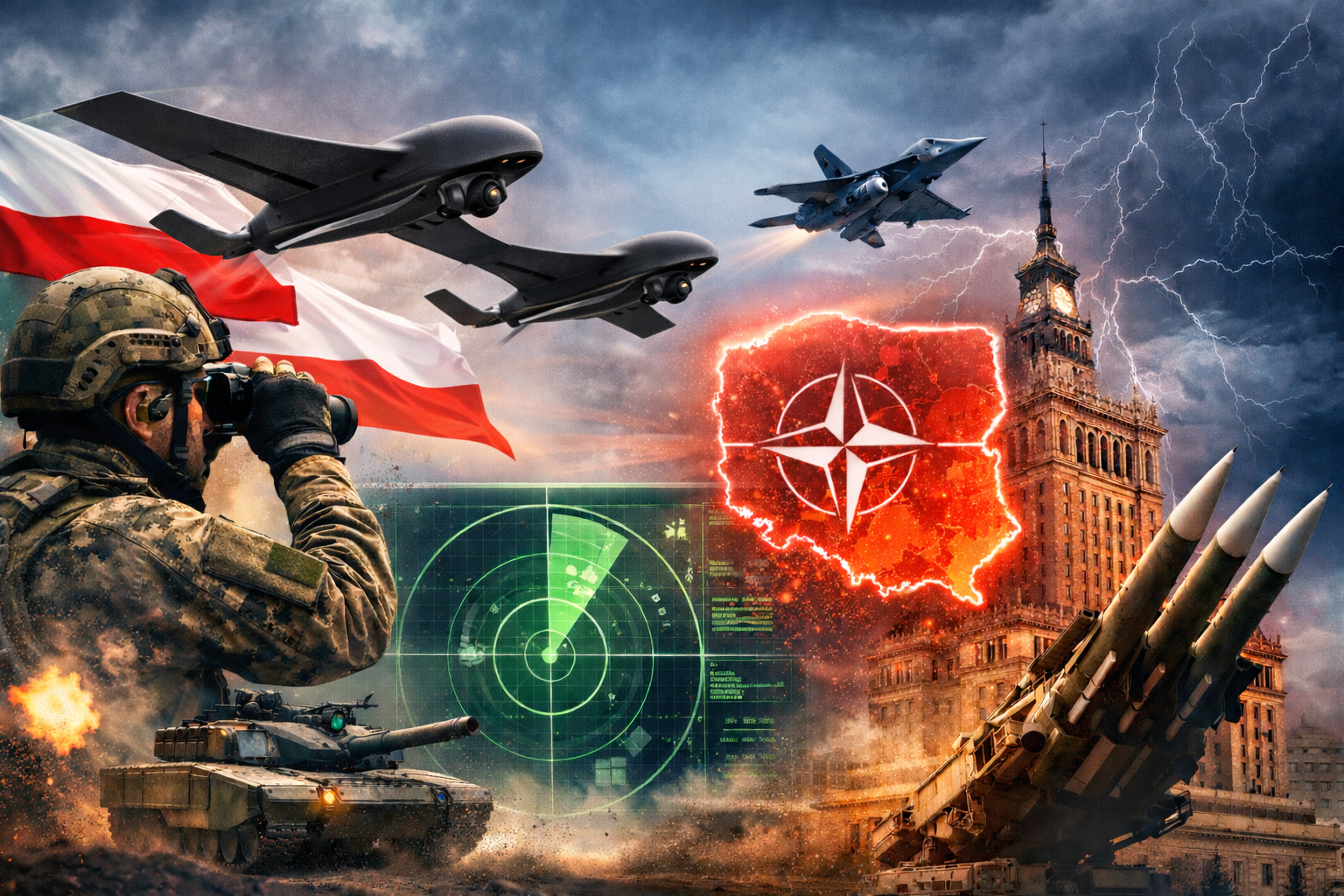
For years, NATO urged its members to spend more on defense.
Poland didn’t just listen.
It accelerated.
With defense spending projected at roughly 4.5% of GDP in 2026, Poland is not merely meeting NATO’s 2% benchmark — it is redefining it. According to recent reporting from major international outlets, Warsaw now stands as NATO’s top relative defense spender.
This is not symbolic budgeting.
It’s strategic transformation.
And companies like EagleNXT are already feeling the momentum.
From Frontline State to Defense Leader
Poland’s geography has always shaped its security doctrine. Positioned on NATO’s eastern flank, bordering Ukraine, Belarus, and the Russian exclave of Kaliningrad, Poland doesn’t view defense as abstract policy.
It views it as existential.
The war in Ukraine has accelerated a shift already underway: Poland is rapidly modernizing its armed forces across land, air, and digital domains. Procurement programs now span missile defense, artillery systems, armored vehicles, advanced sensors, and — critically — unmanned systems.
UAS platforms are no longer niche assets. They are foundational tools for reconnaissance, targeting, and battlefield coordination.
In modern warfare, visibility equals survivability.
Poland is investing accordingly.
Beyond Hardware: The Digital Battlefield
The most significant shift in Poland’s modernization program is not simply about buying more equipment. It is about acquiring smarter systems.
Unmanned aerial systems, advanced sensors, ISR platforms, and networked technologies are central to Warsaw’s roadmap. The goal is operational readiness built on situational awareness — real-time data flowing across command structures.
Defense is becoming data infrastructure.
And that creates opportunities.
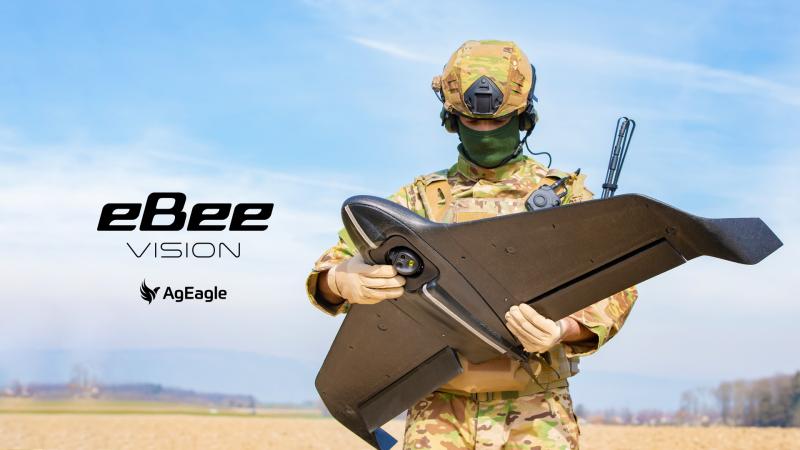
EagleNXT’s recent sale in Poland highlights more than commercial success. It reflects a broader industrial and strategic realignment. Suppliers offering scalable, interoperable, and rapidly deployable technologies are entering a market that is not just growing — it is accelerating.
Poland is not upgrading incrementally. It is leapfrogging.
A New Defense Economy in Central Europe
At 4.5% of GDP, Poland’s defense investment surpasses most Western European allies and even exceeds the long-standing 2% NATO commitment by more than double.
That scale of spending has consequences.
It reshapes industrial supply chains.
It strengthens domestic production capabilities.
It invites strategic partnerships.
It shifts Europe’s defense center of gravity eastward.
For decades, Western Europe dominated defense procurement narratives. Today, Central and Eastern Europe are setting the tempo.
Poland’s multi-year modernization strategy includes not only acquisition but integration — ensuring that new technologies work seamlessly within NATO structures while addressing specific regional threat environments.
Interoperability is no longer optional.
It is operational doctrine.
Strategic Signal to NATO — and Beyond
Poland’s spending surge sends two messages.
First, to NATO: Collective defense commitments must be matched by material capability.
Second, to adversaries: Poland is no longer a buffer state. It is a fortified frontline.
The country’s investment in unmanned aerial systems and sensor networks underscores a deeper strategic understanding. Modern conflict is not won by mass alone — it is won by information dominance.
Drones extend vision.
Sensors expand detection.
Data accelerates decision cycles.
Warsaw’s spending priorities reflect that reality.
The Opportunity — and the Responsibility
For defense technology firms, Poland represents one of Europe’s most dynamic growth markets. But opportunity comes with responsibility.
Rapid procurement cycles demand reliable systems.
Heightened security pressures require operational maturity.
Integration into NATO frameworks requires technical rigor.
The window is open — but expectations are high.
EagleNXT’s momentum in Poland is part of a broader story: Europe’s eastern flank is not waiting for security to stabilize before modernizing.
It is modernizing because security has destabilized.
And as Poland pushes defense spending to historic levels, one thing becomes clear:
The future of European defense may be written not in Brussels or Berlin — but in Warsaw.