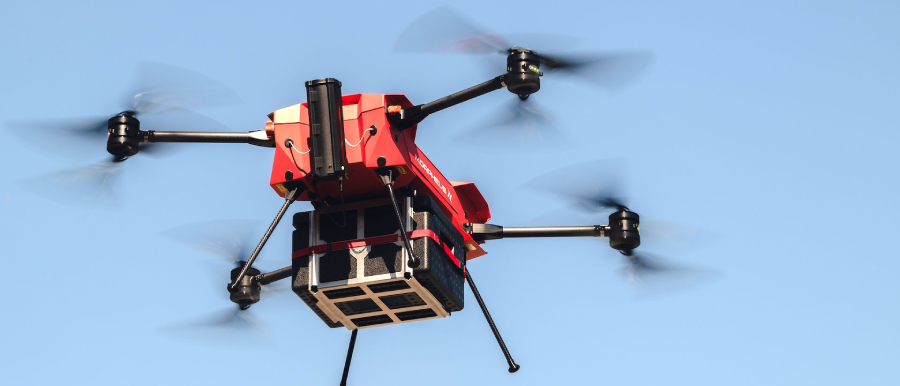
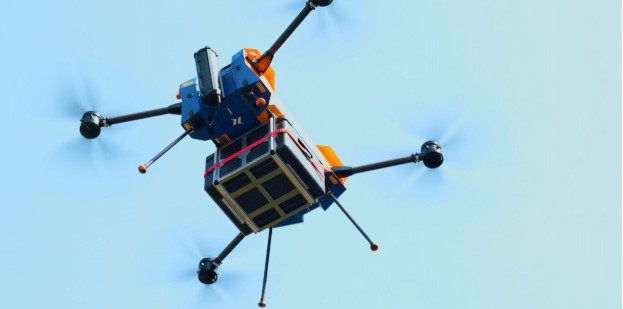
LODD Autonomous HILI - Cargo Drone That Could Rewrite Global Logistics
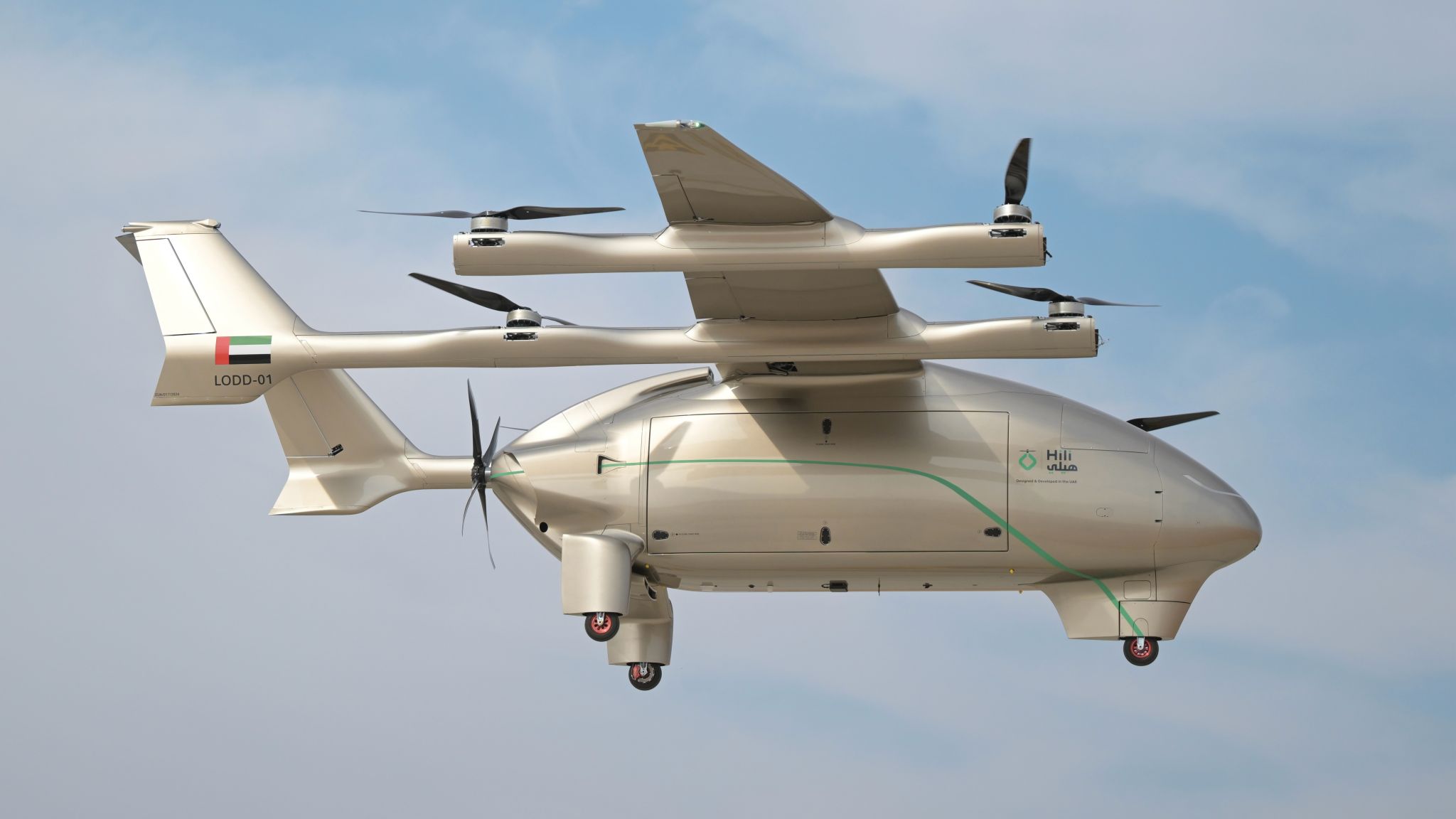
In the deserts and megacities of the Middle East, a new kind of aircraft is quietly challenging one of the most entrenched systems in the global economy: logistics. Its name is LODD Autonomous HILI, and it is not trying to deliver coffee or groceries. It is aiming straight at the most expensive, congested, and inefficient segment of supply chains — the middle mile.
And it raises an uncomfortable question for the industry: What if roads and runways are no longer the default way goods move between hubs?
Not a Drone — a Flying Logistics Asset
Calling HILI a “drone” undersells what it represents. Developed by LODD Autonomous, HILI is a hybrid VTOL cargo aircraft designed to lift up to 250 kilograms and fly hundreds of kilometers without a runway. Vertical takeoff and landing allows it to operate from compact logistics sites, while efficient cruise flight makes it viable for long-distance hub-to-hub transport.
This is not last-mile experimentation. This is infrastructure replacement.
Where traditional logistics relies on trucks, airports, and tightly scheduled human crews, HILI proposes something far more radical: autonomous, aerial middle-mile transport that bypasses roads, traffic, and runway bottlenecks entirely.
Why the Middle Mile Is the Real Problem
Everyone talks about last-mile delivery. Almost no one talks about the middle mile — and that’s precisely where time, money, and emissions disappear.
The middle mile connects warehouses, regional hubs, airports, and distribution centers. It’s dominated by trucks stuck in traffic, aircraft constrained by airport slots, and supply chains vulnerable to delays. HILI targets this blind spot directly.
Instead of moving goods by road to an airport, loading them onto a plane, unloading them again, and repeating the process, HILI flies directly from hub to hub. No runway. No congestion. No human pilot. Just cargo moving through the air on demand.
If that sounds disruptive, it should.
A Strategic Signal, Not a Tech Demo
LODD Autonomous is not positioning HILI as a science project. The aircraft has been designed with commercial logistics integration in mind — compatibility with cargo workflows, operational reliability, and scalability.
Major logistics players are already exploring how HILI could fit into real networks, not hypothetical ones. That alone separates it from dozens of cargo drone concepts that never move beyond glossy presentations.
HILI signals something bigger: a shift from “drones as tools” to autonomous aircraft as logistics infrastructure.
Autonomy Changes the Economics
The real disruption isn’t vertical takeoff. It’s autonomy.
By removing the pilot from the cockpit, HILI changes the cost structure of air transport. Flights can be scheduled more frequently, operated for longer hours, and scaled without the constraints of pilot availability. Combined with hybrid propulsion, this makes aerial cargo economically viable for routes that were previously too short for planes and too long or slow for trucks.
In other words, HILI doesn’t just move cargo differently — it makes new routes economically possible.
A Challenge to Cities, Regulators, and Competitors
If platforms like LODD Autonomous HILI scale, the implications go far beyond logistics companies.
Cities will have to rethink airspace management. Regulators will need frameworks for autonomous cargo aircraft operating routinely over populated areas. Competing manufacturers will be forced to move beyond small payloads and experimental flights toward serious, industrial-grade systems.
The uncomfortable truth is this: once autonomous middle-mile air transport proves reliable, not using it becomes a competitive disadvantage.
The Bigger Question
LODD Autonomous HILI represents a future where supply chains are no longer tied to asphalt and runways. Where cargo flows through the air as naturally as data flows through fiber.
The question is no longer if this will happen — but who will adapt fast enough when it does.
Because when the sky becomes part of the logistics network, everything on the ground starts to look very slow.