Grounded by Supply Chains - Why Anzu Robotics Is Ending the Raptor Era

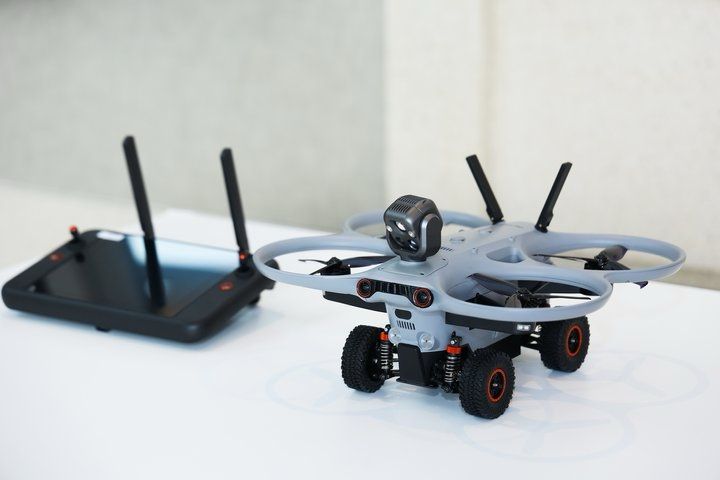
Anzu Robotics has officially ended the Raptor era. In a notice issued on February 10, 2026, the company confirmed that its Raptor-series drones are no longer available for purchase, marking a sudden but telling moment in the commercial drone industry.
The reason is not lack of demand. Quite the opposite.
According to the company, persistent component shortages have made further production impossible. After months of supplier negotiations and efforts to identify alternative parts, Anzu concluded that manufacturing additional units was no longer viable. For customers and industry observers, the announcement is disappointing. For the market as a whole, it is revealing.
The Raptor-series emerged during a period of growing tension between innovation, geopolitics and regulation. Demand surged sharply in late 2025, particularly in November and December, as new compliance pressures linked to NDAA 2025 reshaped procurement decisions across the commercial drone sector. That demand spike, Anzu notes, arrived earlier than expected and disrupted production planning.
The result was a shortage not driven by market failure, but by success colliding with fragile supply chains.
Anzu’s decision underscores a broader reality facing drone manufacturers today. Hardware innovation is no longer constrained primarily by engineering capability. It is constrained by access to compliant components, trusted suppliers and resilient production pathways. As legislation tightens and scrutiny of foreign-made parts intensifies, manufacturers are being forced to rethink not just what they build, but how and where they build it.
Rather than attempt to prolong the Raptor line under increasingly difficult conditions, Anzu has chosen a strategic reset. The company says it has fully shifted focus to a next-generation product designed to meet a wider range of commercial needs while aligning with the latest regulatory environment. Details remain under wraps, but the direction is clear: compliance, scalability and supply resilience will be as central as performance.
Chief Executive Officer Randall Warnas struck a forward-looking tone in the announcement. “We are far from done,” he wrote, emphasizing Anzu’s intention to remain a leading drone manufacturer despite the setback. The message is one of continuity rather than retreat.
For customers, the end-of-life notice raises immediate practical questions around availability, fleet planning and long-term support. While Anzu has invited stakeholders to reach out for further information, the situation highlights the risks inherent in a rapidly consolidating and regulation-driven market. Product lifecycles are becoming shorter, and procurement decisions more tightly coupled to political and legislative timelines.
At an industry level, the Raptor’s discontinuation illustrates how external forces are reshaping innovation curves. Demand driven by regulatory deadlines can be volatile. Supply chains optimized for efficiency rather than resilience can break under pressure. Companies that survive will be those able to anticipate both.
There is also a strategic signal embedded in Anzu’s move. Ending a popular product line is not a decision taken lightly. It suggests confidence that the next platform will not merely replace the Raptor, but surpass it in relevance. In an environment where compliance is becoming a prerequisite rather than a differentiator, the next generation of drones will need to deliver trust as much as capability.
The Raptor-series may be grounded, but its legacy is instructive. It shows how quickly market dynamics can shift, how regulatory pressure can accelerate demand, and how supply constraints can redraw product roadmaps overnight.
For Anzu Robotics, February 10 marks an ending. It also marks a pivot point - away from firefighting shortages, and toward building what comes next.