EH216-S from Helicus, X25 from HHLA Sky and PD-2 UAV from UKRSPECSYSTEMS - Cargo Drones That Could Redesign Medical Logistics

In emergency medicine, time is often the most critical resource.
Blood transfusions, organ transplants, diagnostic samples and urgent medications frequently have a delivery window of only one to six hours. Delays caused by traffic congestion, long transport routes or remote geography can directly affect patient survival.
For decades, hospitals relied on ambulances, couriers or helicopters to transport critical medical cargo. Today, a new logistics layer is emerging above our cities: autonomous cargo drones.
Recent developments in Europe demonstrate how different drone platforms are beginning to reshape healthcare logistics. Among the most promising examples are the EH216-S passenger drone used by Helicus, the X25 logistics drone from HHLA Sky, and the PD-2 UAV developed by UKRSPECSYSTEMS.
Each platform represents a different approach to solving the same challenge: delivering life-saving medical cargo faster, safer and more efficiently.
EH216-S: Passenger Drone Becomes Medical Transport
One of the most significant milestones in medical drone logistics recently took place in Belgium.
During a demonstration at DronePort near the city of Sint-Truiden, the EH216-S autonomous aircraft operated by Helicus transported ten blood bags over more than one kilometer through controlled European airspace.
The mission was conducted fully unmanned and automated, following a predefined flight path while safety pilots monitored operations from the ground.
What makes the EH216-S particularly remarkable is its size.
The aircraft is originally designed as a two-seat passenger drone with:
• 16 electric motors
• maximum speed of 130 km/h
• flight range of approximately 30 km
• payload capacity of up to 220 kg
Fully loaded, the drone weighs about 600 kilograms.
This test flight demonstrated that large autonomous aircraft could eventually support regional medical transport networks, connecting hospitals and laboratories with rapid aerial corridors.
X25: Intelligent Drone Logistics Networks
While large drones like the EH216-S highlight the future potential of aerial logistics, smaller drones are already operating inside healthcare supply chains.
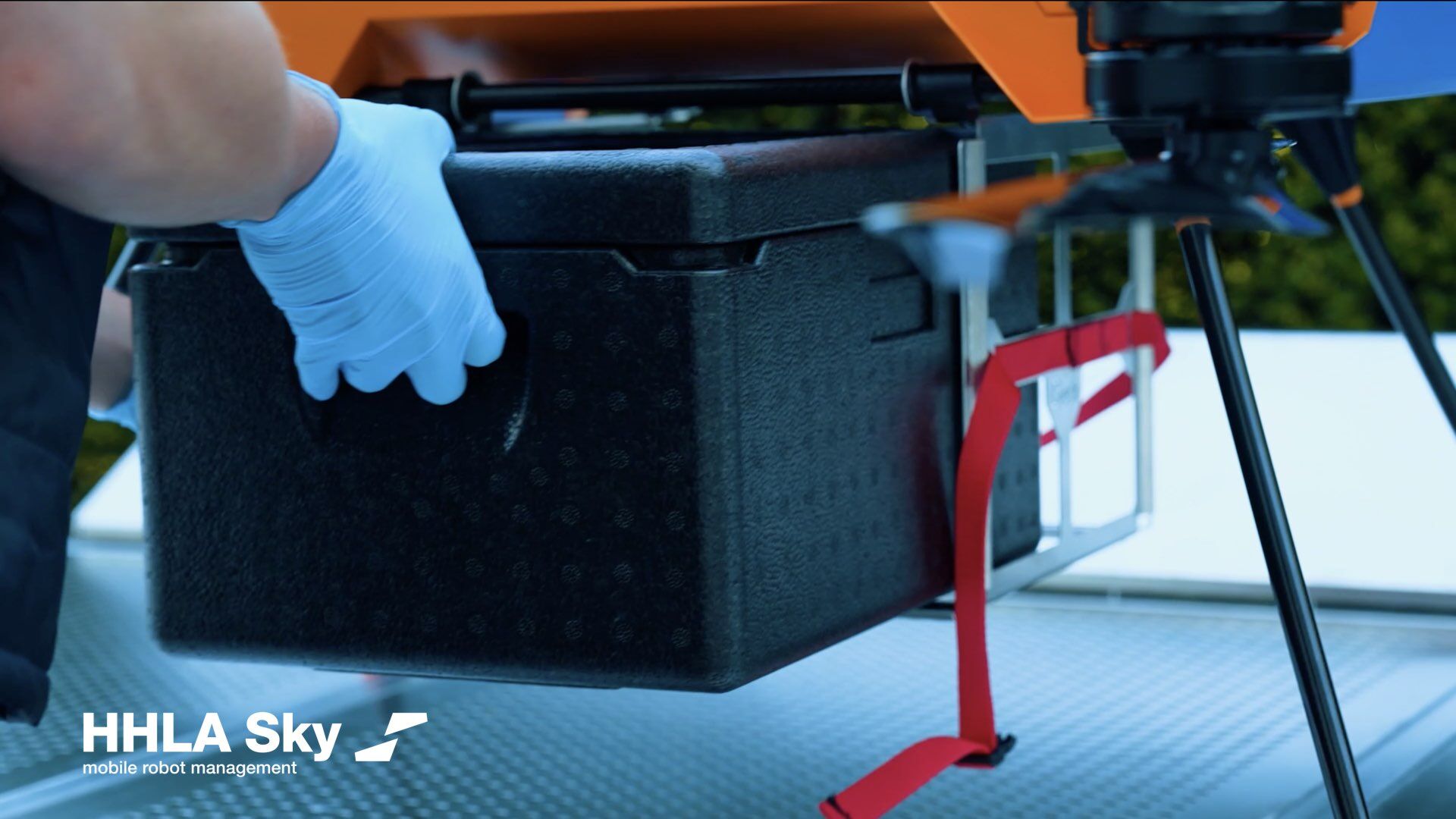
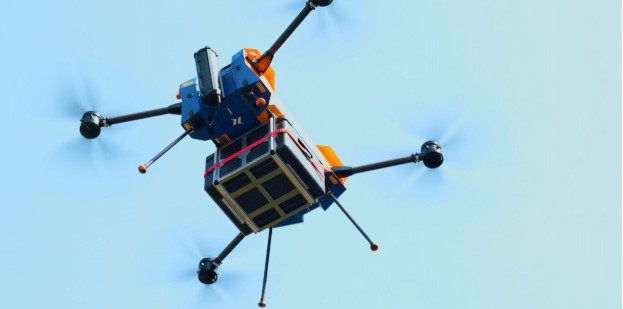
One example is the X25 drone developed by HHLA Sky, designed specifically for automated cargo transport.
The X25 is part of a broader logistics ecosystem controlled through HHLA Sky’s Open Integrated Control Center (ICC).
This platform allows operators to manage entire drone fleets through a centralized software system that provides:
• automated mission planning
• real-time monitoring
• secure command and control
• regulatory compliance for UAV operations
For healthcare logistics, this type of automation is essential.
Hospitals need reliable, traceable and secure delivery systems, especially when handling sensitive materials such as diagnostic samples or blood units.
Through partnerships with logistics providers and laboratories, the X25 drone has already demonstrated how autonomous aircraft can connect hospitals directly with medical laboratories, reducing delivery times while ensuring GDPR-compliant data handling.
PD-2: Flexible Cargo UAV for Multiple Missions
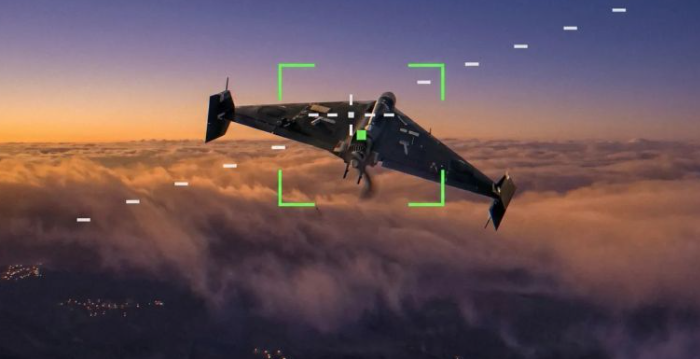
Another approach to drone logistics comes from the PD-2 UAV developed by UKRSPECSYSTEMS.
Originally designed as a long-range surveillance drone, the PD-2 has been adapted for cargo delivery through modular payload configurations.
The drone can transport cargo weighing up to 8 kilograms using different delivery methods.
Cargo can be delivered via:
• fuselage cargo containers
• under-wing payload modules
• precision air drops
• vertical landing for loading and unloading
The PD-2 also supports vertical take-off and landing, allowing it to operate in environments where conventional aircraft cannot land.
This flexibility makes the platform useful for a wide range of missions, including:
• medical supply delivery
• emergency rescue operations
• disaster response logistics
• remote infrastructure support
A New Airborne Logistics Layer
Together, the EH216-S, X25 and PD-2 illustrate how drone technology is gradually becoming part of critical healthcare infrastructure.
Instead of replacing traditional transport systems, drones act as a complementary logistics layer, enabling rapid aerial connections between hospitals, laboratories and emergency response teams.
Their advantages include:
• bypassing urban traffic congestion
• reaching remote locations quickly
• reducing carbon emissions
• ensuring predictable delivery times
As regulatory frameworks and drone traffic management systems continue to evolve across Europe, these technologies could soon become standard tools for healthcare logistics.
In the future, when a hospital urgently needs blood, a transplant organ or a diagnostic sample delivered within minutes, the fastest courier may no longer be on the road.
It may already be flying overhead.