Drone Safety Day 2026: Why the 107–108 Divide Matters More Than Ever
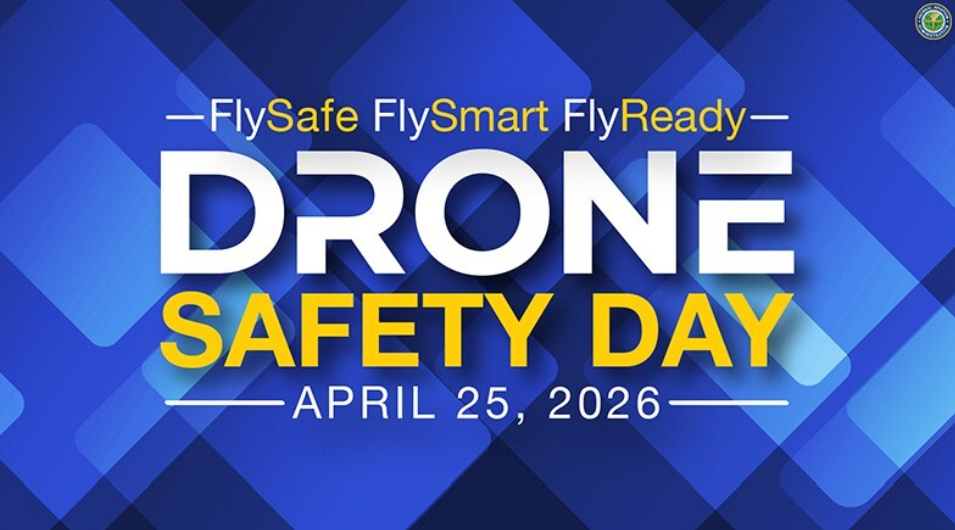
For much of its life, the FAA’s annual drone safety campaign was a reminder to keep things simple: check batteries, avoid airports, know the rules. On Saturday, April 25, 2026, however, Drone Safety Day felt different. Less checklist, more crossroads. The event—once a week‑long awareness drive, now a single, focused day—has become the industry’s cultural pivot point as the United States prepares for routine Beyond Visual Line of Sight (BVLOS) operations.
This year, safety wasn’t just about individual behavior. It was about systems, scale, and a structural split in the rulebook that will define unmanned aviation’s next decade.
A mature ecosystem meets a new reality
The drone ecosystem the FAA oversees today is vast and active. There are hundreds of thousands of certificated remote pilots and hundreds of thousands of registered aircraft, operating daily near people, property, and critical infrastructure. Drones inspect bridges, map construction sites, support emergency responders, monitor crops, and increasingly perform tasks where the public expects the same professionalism as crewed aviation. Drone Safety Day now reflects that maturity: less outreach, more accountability.
Add Remote ID, now fully enforceable, and the baseline has shifted again. Operators must understand electronic conspicuity—how identity and location are broadcast, how modules differ from built‑in systems, and how compliance governs where and how aircraft fly. Drone Safety Day provides a national focal point to clarify expectations and reduce unintentional violations as the airspace grows busier.
The shadow—and promise—of Part 108
What truly raised the stakes this year is the FAA’s imminent Part 108 framework for BVLOS operations. Drone Safety Day has become the moment when the agency begins socializing not just new rules, but new norms—the professionalism, planning, and technological readiness BVLOS demands.
Crucially, Part 108 does not replace Part 107. The FAA’s proposal adds it alongside the familiar VLOS rule set, mirroring aviation’s long‑standing practice of parallel regulations (think Parts 91, 135, 121). That separation is intentional.
Part 107 remains the home of pilot‑centric flying: visual line of sight, lighter aircraft, smaller missions, and accessible entry for photographers, surveyors, and small businesses. Its simplicity is a feature—enabling experimentation while keeping risk low.
Part 108, by contrast, is built for a different world: aircraft that fly far beyond the operator’s sight, often heavier, often automated, relying on detect‑and‑avoid systems and robust command‑and‑control links. Responsibility shifts from the individual pilot to the operator—typically an organization—with documented safety management, aviation‑grade reliability, and system‑level accountability.
This is not bureaucratic duplication; it’s safety architecture. A hobbyist filming 200 feet away is not the same risk as a utility inspecting miles of transmission corridor. The rules must reflect those realities.
Trust as an operational requirement
As BVLOS approaches routine use, public trust becomes non‑negotiable. Drone Safety Day plays an outsized role here, signaling that the community understands its responsibility in a shared national airspace. The message extends beyond pilots to the public: drones are aircraft, the airspace is shared, and safety is deliberate—not optional.
A cultural bridge, not a ceremony
Drone Safety Day 2026 wasn’t just commemorative—it was preparatory. It marked the transition from a VLOS‑dominated present to a BVLOS‑enabled future, from pilot judgment to system assurance, from waivers to rules. The future of unmanned aviation won’t be written by a single regulation, but by the interplay between Part 107’s accessibility and Part 108’s scalability.
The takeaway is simple and demanding: innovation will move fast, but safety must move first—every year, and every flight.


%20(1).jpg)